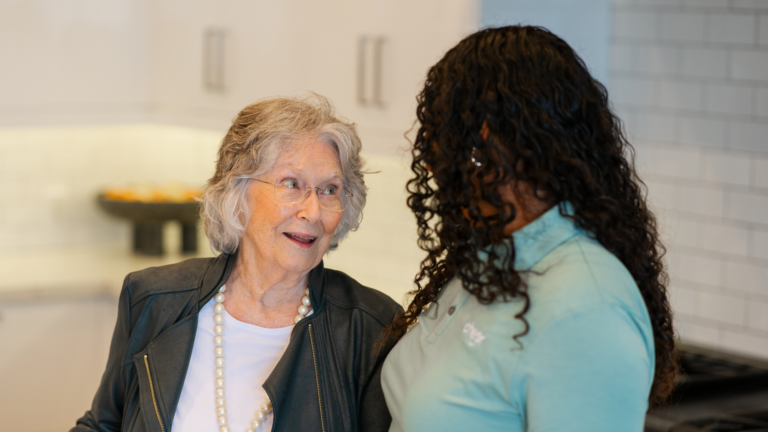


A safe and supportive home environment is key when caring for individuals living with dementia. Recently, we hosted Jacqueline Silverman from Aging Advisory Services, who shared practical insights on how families and caregivers can create a space that promotes safety, comfort, and dignity. This conversation highlighted that dementia care is not only about support, but also about thoughtfully shaping the environment to meet changing needs.
What Does It Mean to Be a Certified Senior Advisor (CSA)?
Jacqueline Silverman is a Certified Senior Advisor (CSA®), a professional designation that demonstrates expertise in aging-related health, social, and financial considerations.
A CSA® is trained to:
- Understand the complexities of aging
- Guide families through care decisions
- Advocate for the well-being and dignity of older adults
This expertise brings a holistic perspective to creating environments that support those living with dementia. Learn more about her work here: https://agingadvisoryservices.com/
Why a Dementia-Sensitive Home Matters
As highlighted during our session, safety for individuals living with dementia requires more than physical adjustments. It involves creating an environment that supports:
- Cognitive functioning
- Emotional well-being
- Independence and dignity
Key Areas to Focus On
1. Physical Environment: Reducing Risk and Improving Accessibility
Simple changes can significantly reduce the risk of injury:
- Remove tripping hazards like loose rugs
- Keep pathways clear and easy to navigate
- Install grab bars in bathrooms
- Improve lighting and contrast throughout the home
- Consider automatic shut-offs for appliances
These adjustments create a safer space while supporting mobility and independence!
2. Cognitive Environment: Supporting Orientation and Routine
Dementia often impacts memory and orientation, so clarity and simplicity are key:
- Use visual cues and signage (e.g., labeling rooms or drawers)
- Simplify layouts and daily routines
- Provide prompts for tasks
- Use memory aids like clocks or whiteboards
These tools help reduce confusion and support confidence in daily living.
3. Emotional Environment: Creating Calm and Comfort
A supportive emotional environment can make a noticeable difference:
- Maintain familiar and calming spaces
- Reduce background noise and overstimulation
- Preserve routines wherever possible
- Include personal items and meaningful décor
These elements help individuals feel grounded, safe, and connected to their identity
Addressing High-Risk Safety Concerns
Certain risks require additional attention in a dementia-sensitive home:
- Secure doors to reduce wandering
- Use motion sensors or alarms when needed
- Install barriers for stairs
- Lock away hazardous items (cleaning supplies, sharp objects)
- Set safe water temperatures to prevent burns
Proactively addressing these concerns helps prevent accidents and provides families with peace of mind.
A Thoughtful, Personalized Approach
Every individual’s experience with dementia is different. What works for one person may not work for another, which is why care should always be personalized, flexible, and compassionate.
At Cheer Home Care and Cheer Health Care, we see firsthand how small environmental adjustments (combined with human connection) can improve daily life for both clients and their families.
How Cheer Home Care Can Help
Our caregivers are experienced in supporting individuals living with dementia, with a focus on:
- Creating safe, structured daily routines
- Providing companionship and emotional support
- Assisting with activities of daily living
- Helping families implement dementia-sensitive home practices
We are here to support you every step of the way!
Get in Touch
To learn more about how we support dementia care at home, visit: https://cheerhomecare.com/private-in-home-memory-and-cognitive-care-in-san-diego/. Or call our office at (858) 868-5500 – our team is here to help and will connect you with a care manager to talk through the best support for you and your family.