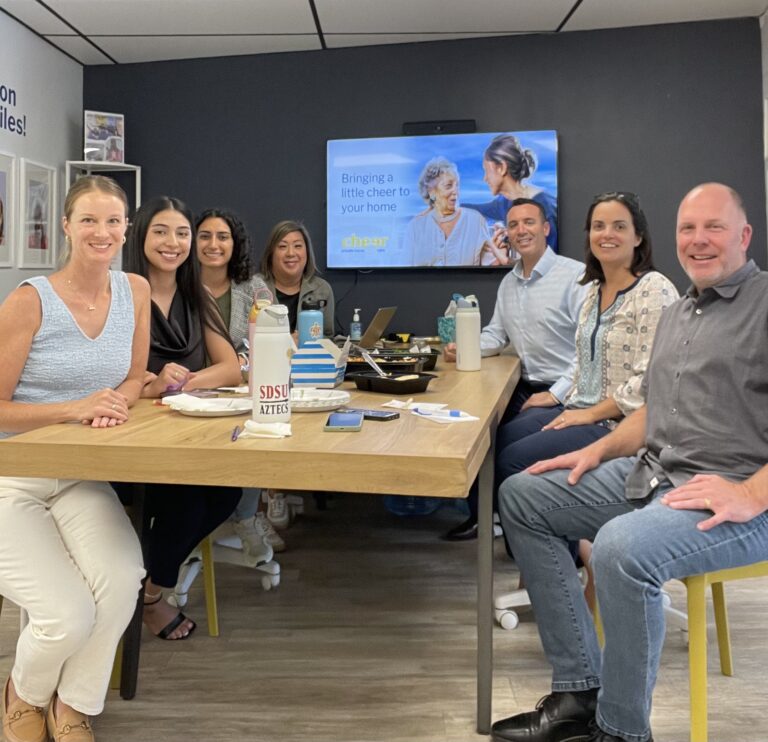

Estate planning can be overwhelming, but it’s important for safeguarding your legacy and ensuring that your assets are distributed according to your wishes. Cheer Home Care recently hosted a lunch-and-learn session with Dan Weiner from Weiner Legacy Law, where he shared his insights on estate planning and the importance of keeping documents updated.
Important Estate Planning Terminology
Estate planning involves a variety of documents, each with specific roles:
- Beneficiary: The individual or entity you designate to receive your assets.
- Trust: A legal arrangement where one person (the Grantor) transfers assets to another person (the Trustee) to manage for the benefit of a third party (the Beneficiary).
- Grantor: The person who creates the trust.
- Power of Attorney (POA): A legal document giving someone the authority to act on your behalf in financial or legal matters.
- Charitable Trust: A trust to benefit a charity or nonprofit organization.
- Health Care Proxy (HCP): An individual appointed to make medical decisions for you if you cannot do so.
- Executor: The person responsible for managing your estate after you pass away.
- Advance Medical Directive: A document outlining your wishes for medical care when you cannot decide for yourself.
- Probate: The court-supervised process of distributing a deceased person’s assets.
- Fiduciary: A person or organization acting in a position of trust, such as a trustee or executor.
- Will: A legal document expressing your wishes for asset distribution after death.
- Estate: The total value of your assets at death.
- Trustee: The person responsible for managing assets held in a trust.
- Conservator: A court-appointed individual responsible for managing the financial affairs of someone unable to do so.
- Devise A gift of real estate left in a will.
- Guardian: A person appointed to care for a minor or incapacitated individual.
Common Missteps in Estate Planning
One common mistake in estate planning is failing to explain your decisions to family members. While most people hope to divide their assets fairly, this often leads to disagreements. If you name one person as the Beneficiary or Executor, explain why. They may live closer, have legal or medical experience, or are the eldest child. Naming one child the POA of financial matters and one the POA of healthcare decisions to make things sound more fair, can often make things harder later when there are disagreements. Transparency can help reduce conflict later.
Another crucial point is keeping documents updated, especially after a move. Each state has its own laws, and a Power of Attorney (POA) or Health Care Proxy (HCP) in one state may not be valid in another. At Cheer Home Care, we encourage clients to review these documents regularly. Has there been a change in priorities? Is your designated representative still the best choice?
Protecting Your Assets from Probate
If you own more than $180,000 in assets, failing to set up an estate can mean your assets go through probate. This legal process is time-consuming and opens your estate to public view. Setting up a trust can help avoid probate and keep your affairs private.
Peace of Mind with Pet Trusts
A Pet Trust is an estate planning option for pet lovers that can bring peace of mind. This type of trust ensures that your beloved pet is cared for after your passing.
Get Back to Living Life
Proper estate planning is more than just dividing your assets; it’s about protecting loved ones and honoring wishes. Take the time to review estate planning documents and make sure they are up to date, especially after a move. Ensure that your Beneficiary, POA, and HCP designations are clear and logical.
Are you interested in learning more? Contact Cheer Home Care, or connect with Dan Weiner at Weiner Legacy Law for professional guidance on your estate planning needs.